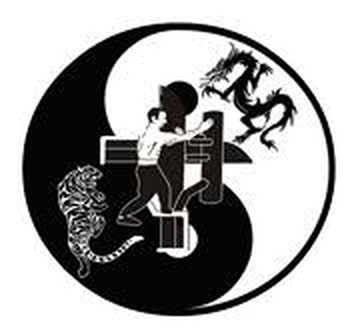
Structure
Organising the body so movements remain connected, balanced and economical.
The art
A close-range Chinese martial art in which efficient movement, structure and sensitivity are developed through progressive practice.
Wing Chun asks students to use position and timing intelligently rather than relying on force alone.
Training commonly combines solo forms, partner exercises, pad or bag work and traditional equipment. The precise curriculum varies between lineages and schools, so the quality of instruction and the way skills are tested matter.
Practice does not offer guaranteed safety. It can, however, provide a structured way to develop movement, awareness, coordination and practical martial skill over time.

Core training ideas
These themes overlap in class and become more useful through repetition, feedback and appropriate resistance.
Organising the body so movements remain connected, balanced and economical.
Learning where to place the body and hands in relation to a partner.
Partner exercises such as Chi Sao can develop awareness of changing pressure at close range.
Forms and drills establish patterns; supervised partner work helps students apply them in changing conditions.
Explore in depth
Continue with guides that separate practical principles, realistic questions, traditional origin stories and documented teaching relationships.
A place to start
Each academy manages its own programmes. Contact a local instructor to ask about beginner training, current class formats and an appropriate starting point.
Find an AcademyGood martial arts learning is measured in attentive practice, not dramatic promises.
This booking link is specifically for the Wing Chun Universe Mornington academy.